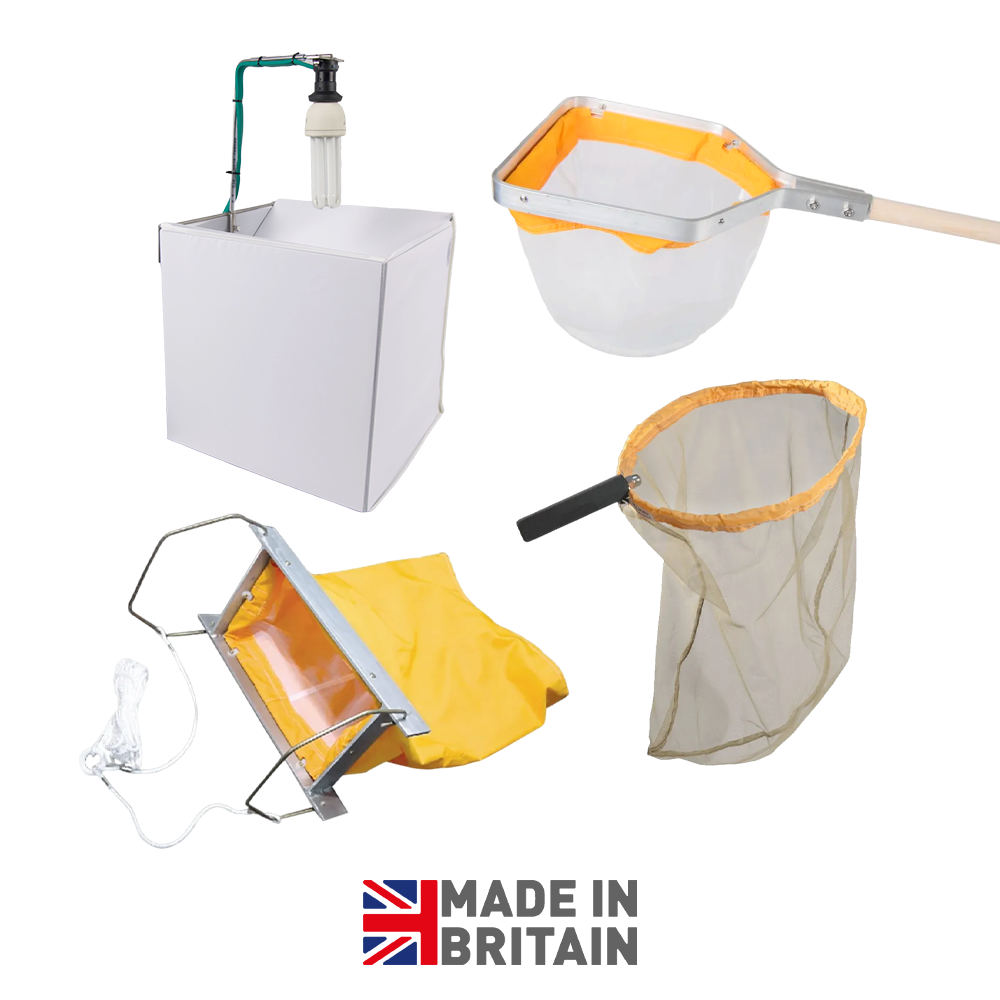
NHBS manufactures a wide range of marine, freshwater and terrestrial survey tools, carefully designed to meet the demands of researchers, consultants, public authorities and educators working in the environmental sector. Made by our team of expert engineers, fabricators and seamstresses, our products are renowned for their quality, durability and affordability.
Our range of equipment includes hand and kick nets, aquatic survey tools, entomology nets and botany products, as well as survey essentials such as reptile refugia and newt bottles. As all of our equipment is produced in-house, we can maintain strict quality control while keeping costs down by minimising the length of the supply chain. We also ensure that our raw materials are sourced from suppliers with the highest environmental standards.
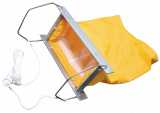
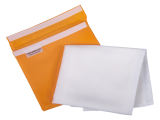
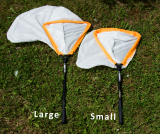
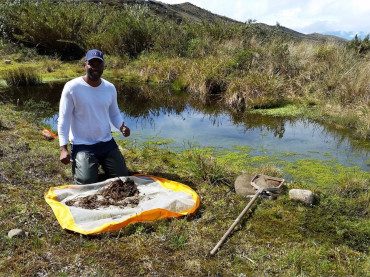
This sheet has been made for collecting aquatic beetles around the world. Vegetation such as leaves, roots, debris and fauna are filtered out of the water, and then put onto the middle of the sampling sheet where the fine mesh allows quick draining of the water while preventing even the smallest beetles from passing through. The orange collar protects the sheet and at the same time can be folded up to contain samples.
We used similar, self-made sheets for decades, but the fabric was often not suitable for our purposes; NHBS made the perfect product for our work; of the four sheets made, I already gave away two to our friends in Colombia and Cuba – it makes sampling so much more efficient, is easy to carry and quick-dry.'
Michael Balke, Curator of Coleoptera, Zoological State Collection in Munich
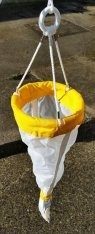
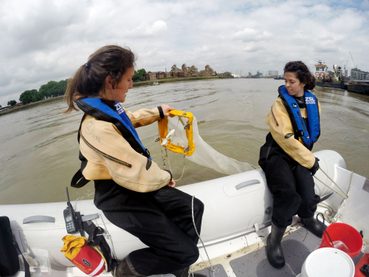
These Ichtyoplankton nets were made for the Zoological Society of London to monitor the use of the river Thames by juvenile fish. The unique design of these nets features a square frame with a four-point bridle and connections for a flow meter. It also has a diving vane which ensures that it can be towed stably at a set depth, and a screw-on cod end with a 53µm and 250µm mesh bag.
It was great to work with NHBS, who listened to our specific needs to design bespoke sampling nets for juvenile fish and used their experience to adapt our designs to fit our needs.
Anna Cucknell, Thames Project Manager, Zoological Society of London
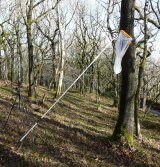
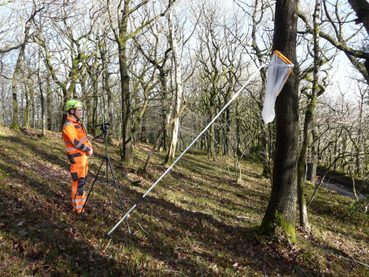
Based on a design by Henry Andrews from the Bat Tree Habitat Key (BTHK) project, this net provides a safe and effective method of trapping bats emerging from roost sites in trees. Featuring a long collapsible handle and an adjustable net head, the net will catch any bats that are flying out of the tree and keep them safely in the bag for identification, measuring and ringing. This net is reviewed in the BTHK project Bat Roosts in Trees book.
I’ve been telling everyone how fantastic the net you made for me is. I’m really impressed with the build quality and the net design is exactly what I was looking for.
Henry Andrews, Bat Tree Habitat Key (BTHK) project